


News & Events
-
23rdDec
EARMP 2017/2018 Community Report now available for download!more >
27thMay
EARMP is presenting to the Northern Saskatchewan Environmental Quality Committee in La Ronge. more >
6thMay
EARMP will be visiting the communities of Black Lake, Fond du Lac, Stony Rapids, and Wollaston Lake. more >
-
7thApril
EARMP 2013/2014 Community Report now available for download! more >
-
10thDec
2015 EARMP Community Calendars available for download December 10th! more >
1stOct
EARMP completes another year of sampling in all 6 communities. more >
FAQ
Frequently Asked Questions more >
Useful Links
EARMP Useful Links more >
About EARMP
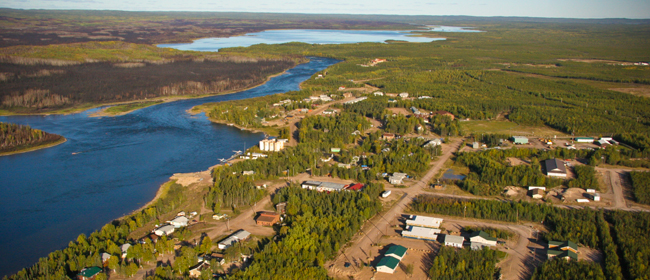
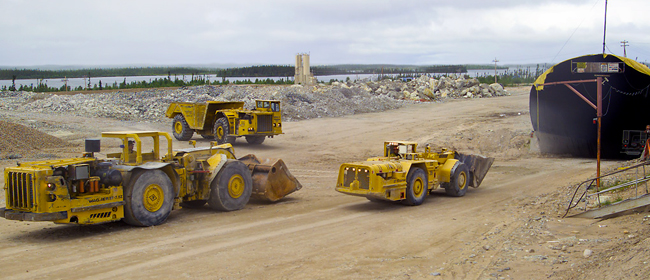
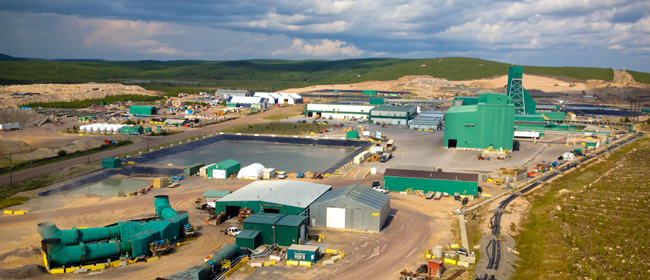
Initiated in 2011 the Eastern Athabasca Regional Monitoring Program (EARMP) is a joint environmental monitoring program in northern Saskatchewan funded by the Province of Saskatchewan, in partnership with Cameco Corporation and AREVA Resources Canada Inc. It was designed to address a foreseen gap in long-range environment information and potential cumulative impacts downstream of uranium mining and milling operations and seven communities in the Athabasca region of northern Saskatchewan. The monitoring program and study framework include two sub-programs: a community program and a technical program.
In addition to the above programs, a fundamental objective of this program is to provide public access to all information collected and report the findings yearly to the communities in the Athabasca Basin and to the general public. To that end, all the data and reports are available electronically for download at: www.earmp.ca/reports. Additionally, updates and results regarding the program are shared with all of the Athabasca communities annually at the Northern Saskatchewan Environmental Quality Committee (NSEQC) meetings.
Community Program
Several communities in northern Saskatchewan are located downstream of uranium mining operations. Since country foods such as fish, berries, and game are important food sources in northern communities, there is potential concern for human health risks associated with the long-range transport of parameters of potential concern (POPCs) from uranium mine operations. The community program is fully funded under the Province of Saskatchewan's Boreal Watershed Initiative.
The primary objective of the EARMP community program is to ensure the safety of traditionally harvested foods by monitoring and testing foods gathered from areas selected by each community . Community involvement is essential to the success of the program and to meet this objective, the following information is collected independently by community members or in conjunction with CanNorth staff in the communities in northern Saskatchewan.
- Water chemistry samples from each community sampling area;
- Large-body fish flesh chemistry (lake trout and lake whitefish) from each community sampling area;
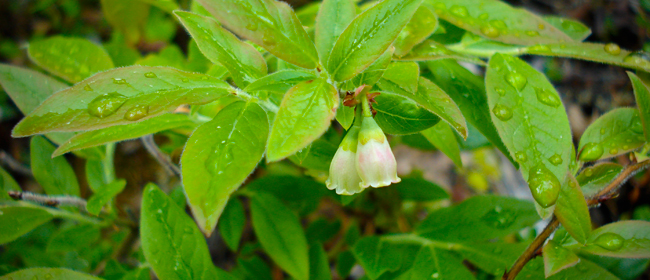
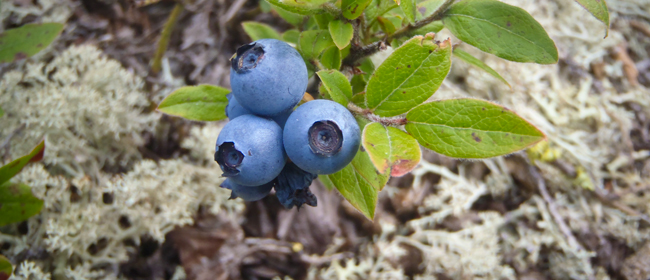
- Berry chemistry (bog cranberry or blueberry chemistry from each community sampling area);
- Soil chemistry and characterization from each berry sampling location; and,
- Moose and/or barren-ground caribou chemistry from each community sampling area.
Please click here to see a map of the communities sampled for the EARMP.
Technical Program
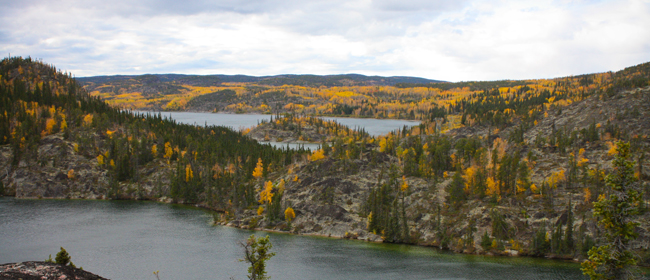
The technical program collects both the physical and biological components of waterbodies in northern Saskatchewan in order to monitor whether cumulative effects are occurring in aquatic environments located downstream of uranium mining and milling operations.
To meet this objective, the technical program focuses on gathering the following information from four “exposure” locations (located downstream of mining and milling operations) and "three “reference” locations (not impacted) in northern Saskatchewan"
- Water chemistry samples and limnology from each technical sampling area;
- Sediment chemistry and sediment particle size samples at five replicate stations per technical sampling area;
- Large-body fish flesh and bone chemistry (lake trout, lake whitefish, northern pike, white sucker, and longnose sucker where available) from each technical sampling area;
- Benthic invertebrate community data co-located with the sediment chemistry and particle size samples from each technical sampling area.
Please click here for an overview map of the technical sampling areas.